Range
Batteries run out on the way
A fixed-wing drone can use half of its energy on transit alone, which leaves far less time for the mission itself.

Our balloon systems lift drones to the altitude where the wind goes their way, anywhere up to 25 km, and carry them hundreds of kilometres so they arrive with their batteries still full.
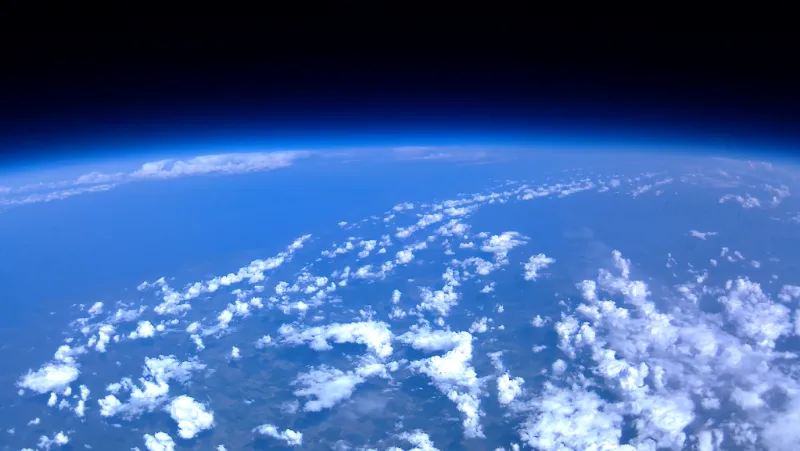
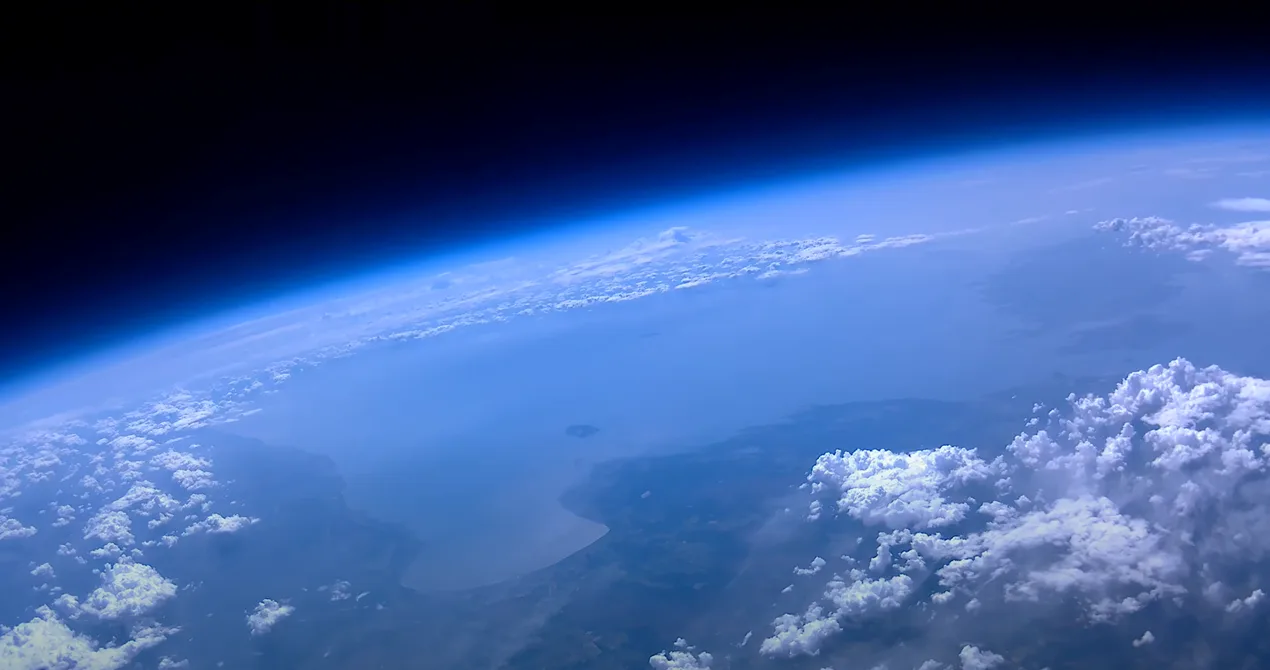
Photographed by VAAL at 30 km above Estonia
The challenge
Range, launch and radio reach set the limits for every unmanned aircraft, and all three become easier once the flight starts high above the ground.
Range
A fixed-wing drone can use half of its energy on transit alone, which leaves far less time for the mission itself.

Launch
Catapults, runways and launch crews have to be close to the operating area, which ties every flight to the ground nearby.
Connectivity
Near the ground, hills, forests and the curvature of the Earth cut the radio link early. Relay balloons flying alongside lift the link above them and extend the range even further.
The right altitude
350+ km
Satellites
Global coverage, but at that distance every image and every radio link has to work much harder.
VAAL operating range
35 km
Research flights
Affordable balloon types take science payloads and near-space tests up to 35 km.
0–25 km
Drone missions
We choose the altitude whose winds carry the mission where it needs to go, or keep it stationed over an area.

From the ground up to 25 km the winds blow in layers with different directions and speeds. We choose the altitude for each mission, and quite often a lower layer is the one that carries it to the right place.
Height brings reach as well. A surveillance or Earth observation payload sees vast areas from up there, and a radio link above the forests and hills keeps line of sight for hundreds of kilometres.
Our balloons use the free lift of a light gas and well-predicted winds, which makes this whole range of altitudes remarkably affordable to work in, from low-level drone missions up to research flights at 35 km.
0–25 km
drone missions
35 km
research flights
600+ km
line of sight at 25 km
Our technology
up to 25 km
carried up to 500 km by the winds
over the mission area, for example for Earth observation

Systems
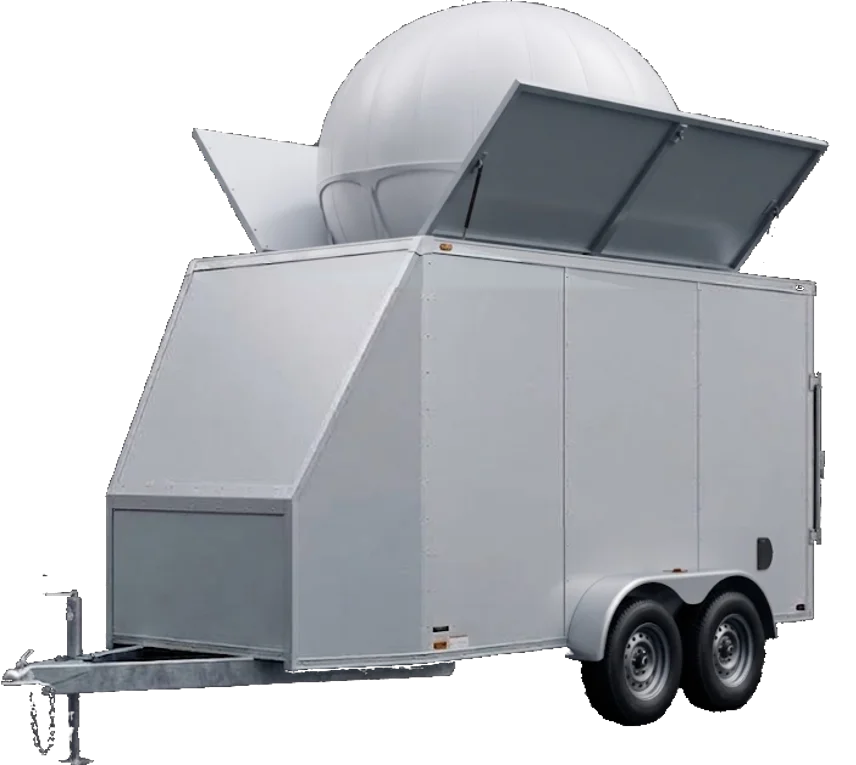
A launch trailer and smart balloons that lift drones up to 15 kg, ride the right wind layer and release them over the mission area.

Software
Wind prediction that finds the launch time and altitude to reach the mission area, up to 72 hours ahead.
Operations
Registered high-altitude flights from Estonia, with launch, tracking and recovery handled by our own team.
The advantage
| Energy used in transit | Launch near the mission area | Radio reach | Cost per mission | |
|---|---|---|---|---|
| VAAL range extender | Close to none, the wind carries it | No, launch site can stay put | 600+ km with a relay balloon | € |
| Catapult ground launch | Full transit on battery | Yes, catapult and crew | Tens of km | € |
| Larger long-range drone | Large fuel or battery load | Runway or large launcher | Needs satellite link | €€€ |
A balloon carrier works with existing drones, launches from a fixed site and adds both physical range and communication range in one flight.
Who it's for
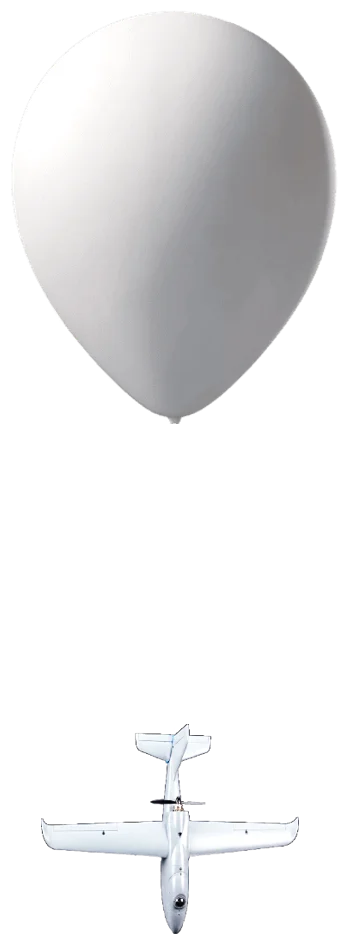
Add hundreds of kilometres of range to the aircraft you already build. We co-develop the harness and release profile for your drone type.
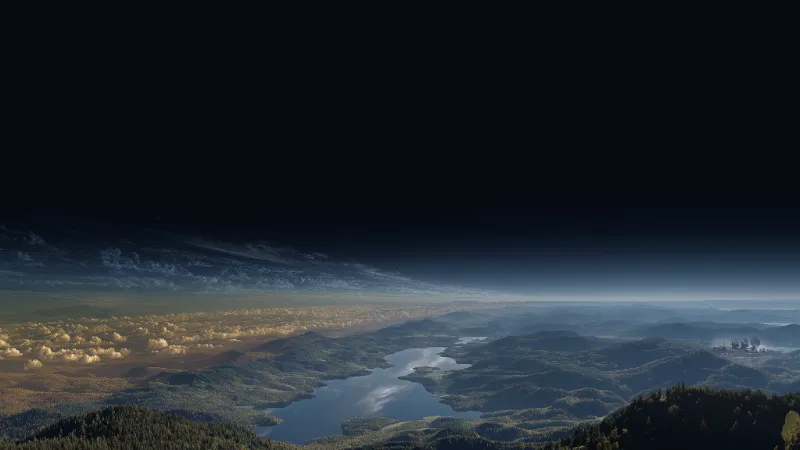
Watch vast areas, coastlines and disaster zones for monitoring, crisis response and Earth observation, without a runway nearby.
Use high altitudes up to 35 km as a test bench for instruments, materials and microgravity experiments.
Supported by and working with






Tell us about your aircraft and your mission, and we will show you what a high-altitude start can add to it.